
In 2013, a collection of over 2000 photographs taken by renowned American photographer Annie Leibovitz was donated to the Art Gallery of Nova Scotia by Toronto businessman Harley Mintz and his siblings. At the time, it was public knowledge that Leibovitz was experiencing financial difficulties, and the Mintz family agreed to purchase the collection for $4.75 million, with half paid upfront and the remaining $2.3 million to be paid once the photographs were displayed. However, in the last 11 years, the photographs have remained in the gallery’s storage due to ongoing debates between Leibovitz, the art gallery, and the provincial government over their display. Although Mintz purchased the collection for $4.75 million, this amount did not include the copyright for the photographs, and as a result, it is the government of Nova Scotia’s duty to settle the payment with Leibovitz before her prints can be exhibited. So far, the government has refused to pay for this copyright, which has also led Mintz to withhold the remaining $2.3 million owed to Leibovitz. The risks associated with the display of these photographs, which have caused the government to take this stance, relate to their cultural impact on Canada and Nova Scotia, the fragile state of the prints, and the legal issues surrounding their donation by Mintz. Analysing these risks can shed light on why the government refuses to pay the copyright for a collection of photographs that appears seemingly harmless.
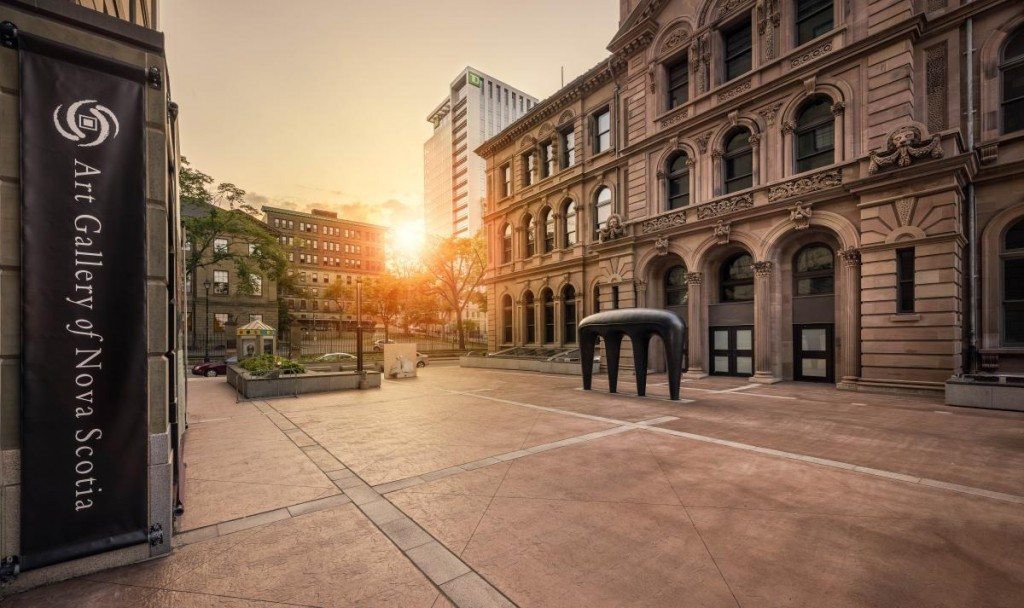
Photo of the entrance to the Art Gallery of Nova Scotia
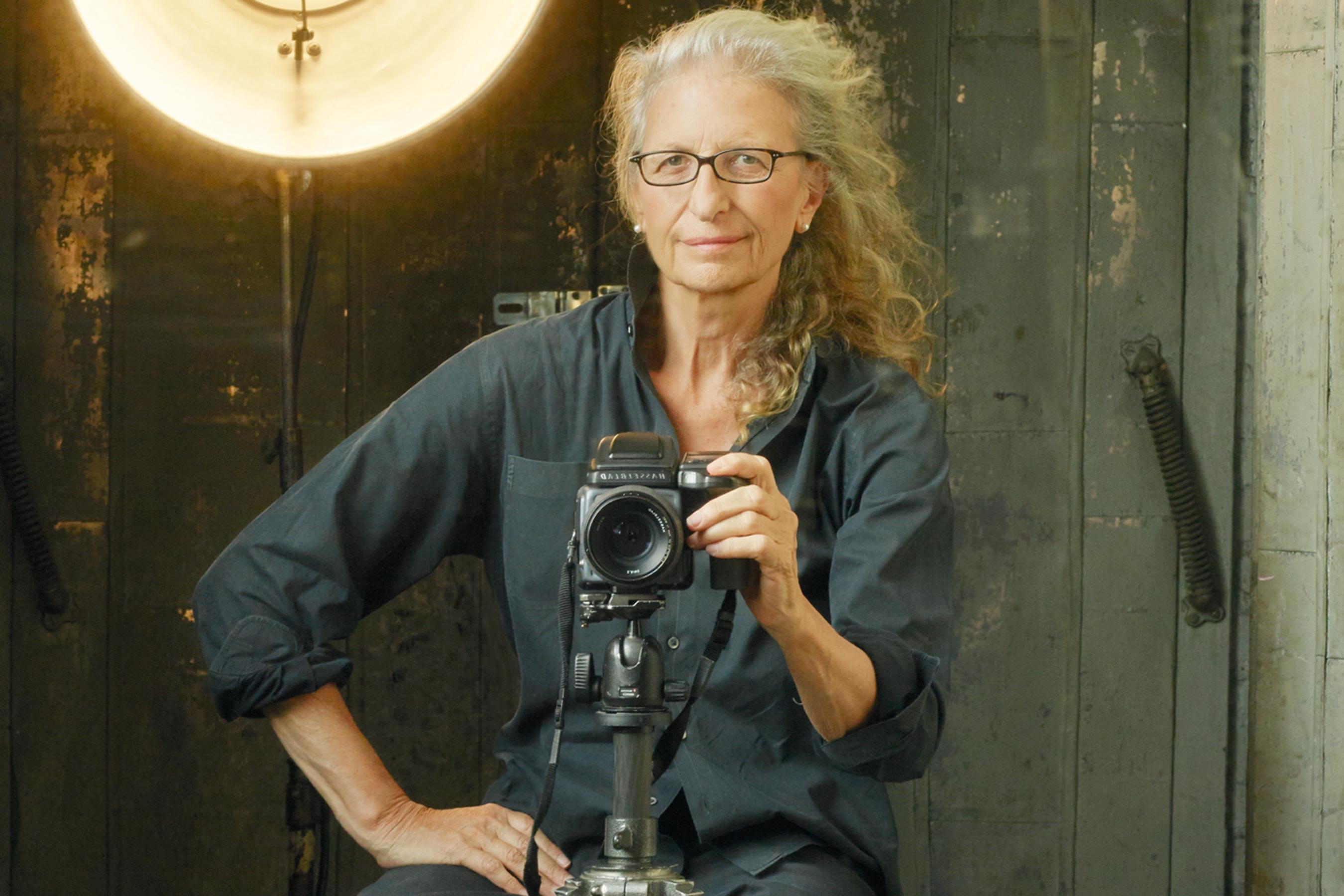
Photo of Annie Leibovitz
The Risks with Leibovitz’s Photographs
Leibovitz’s photographs showcase a myriad of celebrities and renowned American landmarks, which are considered to be devoid of relevance to Canadian and Nova Scotian culture. Despite this, other Canadian art galleries located in larger cities, such as the Montreal Museum of Fine Arts and the Art Gallery of Ontario, house collections of photographs by prominent American photographers, including the works of Mark Ruwedel and Joseph Kosuth. Although these photographs do not feature American celebrities, that could be the reason why they were not deemed culturally irrelevant for these other art museums. Another issue with the collection is the resin-coated paper, also known as Ilfochrome or Cibachrome, which was utilised to print more than 250 of Leibovitz’s photographs. Unfortunately, this material is known to fade after only about 25 years of display in galleries. The risk of fading associated with these types of prints is typically addressed by displaying print copies on gallery walls, though this incurs additional costs for galleries. Finally, the Canadian Government has also expressed suspicions that the Mintz donation could be a tax scam, which serves as another reason for the perceived risk. Although tax schemes typically do not impede gallery displays, there is a potential risk to the government’s image if they were to financially support a donation related to a tax scam. The government thus believes that it is legally unable to pay the required copyright fee to Leibovitz for the display of these photographs, as the images convey several messages that reflect negatively on the government’s views.
Seeking to comprehend the manner in which photographs transmit information and communicate with viewers, photographer Roland Barthes devised his concepts of the studium and punctum. According to Barthes, the studium is the aspect of a photograph that elicits a cultural connection from the viewer, standing out as the most noticeable element. In contrast, the punctum is the element that evokes a personal and emotional response in the viewer, pricking or stinging them in a manner that is unique to each individual. While the studium is always present in an image, the punctum may or may not be since not every photograph, or situation, has an element that changes the way people see it as a whole. The application of the concepts of studium and punctum to the government’s interpretation of Leibovitz’s photograph collection reveals a cultural connection with viewers and American subjects while simultaneously blurring the line between American and Canadian cultures. Although it may seem unusual for the government to analyse the photographs in this manner, Ulrich Beck’s Risk Society provides further insight into the reasons behind their decision not to compensate Leibovitz and to view her collection as a carrier of numerous risks. Although the Leibovitz case does not involve environmental issues, which are closely tied to the Risk Society, art can significantly impact economic, political, and social environments.
The government’s refusal to finance the copyright for a collection of Leibovitz’s photographs highlights the social risks that it perceives in this situation. Beck uses the term social risk positions to describe this type of risk associated with modernity in society. In the case of Leibovitz, the risk of modernising the art gallery with non-local art poses issues for society in Nova Scotia, and thus the government is deterred from taking on these risks for the public. Barthes’ ideas about studium and punctum shed light on the social risk positions of photographs and their potential to create uniform social and cultural understandings as a risky medium. The photographs in question primarily depict American culture, and once the gallery modernises to include them in their collection, the attention they draw cannot be controlled. Beck’s concept of social risk positions also refers to the distribution and growth of wealth, which affects certain groups of people more than others. In this case, this can be understood in relation to the unequal distribution and impact of the photographs on the art and culture of Nova Scotia, where the province is a small player in the broader Canadian art market and cultural influencers. Introducing a renowned American artist to the provincial art gallery could have adverse effects on local artists. The social, cultural, and economic consequences of paying for the right to display such a sizable collection of American photographs place the government in a difficult position. The government’s stance on financial involvement in this case is that it may ultimately result in more harm than good.
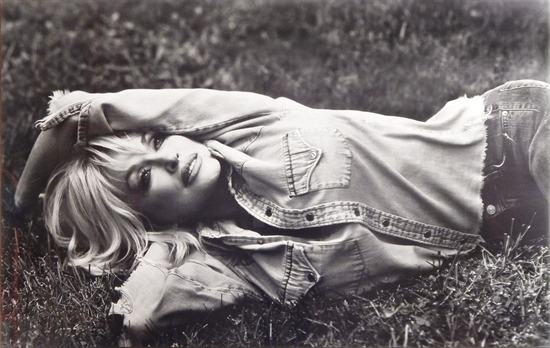
Annie Leibovitz, Dolly Parton, 2002 (currently held at the Art Gallery of Nova Scotia)
Civilisation risk is defined as an insatiable demand that is never fulfilled, which can be used to better understand the Leibovitz case. This concept suggests that Leibovitz’s art may create a version of Nova Scotia that is dissatisfied with the amount of local art created and will continue to seek non-Maritime or even non-Canadian works of art. The studium and punctum, which are aspects of photography that captivate viewers, can further perpetuate this idea as visitors seek out the American art they find appealing. As Leibovitz is a world-renowned photographer who captures the images of well-known celebrities, this creates an unfair advantage for their studium and punctum over the studium and punctum of local photographers. This could result in the development of a market that becomes independent and larger than the Nova Scotia art scene, making it impossible for local artists to keep up with demand and ultimately leading to the death of the art culture in the community. J. B. Bennet discusses two methods for assessing risk for the purpose of insurance. One approach is to observe every danger, while the other is to scrutinise every detail. This comparison can help us to understand the issue with the unsatisfactory situation that Beck examines. A more meticulous examination allows us to see that an economically successful display of Leibovitz’s photographs may not be without risks of its own. Therefore, in its effort to carefully examine each detail, would need to consider every element as a map of risks. One such element is the impact of globalised culture versus domestic culture, where Canada has spoken out strongly against the globalisation effect and through it the erasure of distinct regional cultures. The globalisation effect has been significantly influenced by the distribution of visual media, including television, films, and artworks, which have had a profound impact on cultures around the world in terms of distinctiveness. This effect is particularly evident in countries such as the United States, which culturally outnumber smaller countries like Canada and France. In addition, the province of Nova Scotia, in comparison to central and western Canada, is an example of this effect.
A Very “Un-Canadian” Collection
The Leibovitz collection boasts over 2000 photographs yet examining just a few of them can reveal their “un-Canadian” nature as a whole. Leibovitz’s photographs are mostly portraits or scenes featuring individuals, including artists such as Keith Haring, actors such as Tom Cruise, musicians such as Dolly Parton, and wealthy elites such as Melania and Donald Trump. Occasionally, Leibovitz also captures famous landmarks such as the Lincoln Memorial, but the majority of the collection donated to the Art Gallery of Nova Scotia revolves around American culture. Over the past decade, it is possible that the intense focus on American art within this collection may even have been amplified by the hype surrounding it. This emphasis on American photographs at the Art Gallery of Nova Scotia highlights why the government might have criticised the donation as a social risk position. By examining both the positive and negative consequences of risks the government’s decision not to purchase the copyright on behalf of the gallery indicates their recognition of the potential risks associated with an insatiable market, which could negatively impact the culture of Nova Scotia and Canada.
Ulrich Beck discusses the toxic issues associated with certain risks, including those that cause harm without human perception, such as radiation. For the Leibovitz case, supporting an American artist may lead to toxic trends that could undermine local artists, particularly Mi’kmaq or African Nova Scotian works of art, which are already under-represented in the province and in the gallery. According to Mary Douglas, everyone now has their own unique culture, which means that all knowledge must be defended rather than being judged as true or false. In hierarchical societies of the past, the world was believed to be knowable to a certain extent, and people looked to governments for their culture and knowledge. However, culture is now influenced by a variety of factors, and no single individual can know the full impact of something on another person’s culture. When analysing the collection using Barthes’ methods, it becomes clear that even the perceptions of cultural differences are no longer knowable to a certain extent, as the cultural differences that affect one person in their observation of a photograph may not be apparent in another person’s analysis. This is the subjective effect of the punctum, and it can cause perceptions of risk for governmental groups that focus on cultural knowledge preservation. With this in mind, we can see that the risk of cultural bias and the toxins to which Beck refers can be one and the same. In this context, cultural risks can occur without immediate perception and can affect certain individuals more than others. For the Nova Scotia government, maintaining the cultural identity of the province becomes a goal too great to risk.

Annie Leibovitz, Lincoln Memorial, 2010 (currently held at the Art Gallery of Nova Scotia)
In a similar case, the Mapplethorpe Obscenity Trial, which took place in Cincinnati, USA, in 1990, was a significant event that resulted from the lobbying efforts of the American Family Association and other conservative groups to have the Contemporary Arts Centre (CAC) in Cincinnati charged with displaying obscene images. Although the collection of images by renowned American photographer Robert Mapplethorpe included nudes of children, the primary issues with the exhibit were related to the fact that the collection celebrated the life of a homosexual person who had recently passed away from AIDS. The CAC was ultimately found not guilty in court due to the defence’s citing of freedom of speech, and the public support it had gained through publicity. However, it is important to note that this case of a gallery citing freedom of speech to be able to showcase art objected by the government is an American perspective and does not necessarily conform to the views of Canadians or Nova Scotians. In fact, using a non-Canadian case study to examine the Leibovitz case would be unproductive research. One of the primary reasons why Leibovitz’s photographs are not financially and politically supported by the government is that they do not reflect Canadian values and culture. Therefore, it is essential to look to the locals to determine whether they support the gallery or the government in this matter. Regrettably, the numerous journalists who have reported on this story have failed to seek the opinions of the general public through interviews, nor have any survey results been obtained to indicate the local population’s thoughts on this matter. The dearth of evidence demonstrating public support for the Leibovitz collections implies that such support may be limited, and locals may only hold a neutral stance towards the issue.
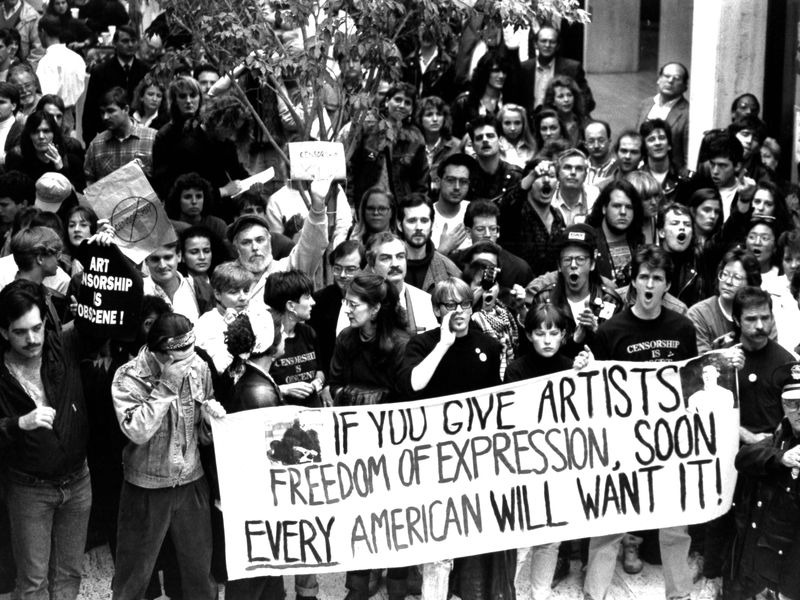
John Stamstad Photography, Protest in support of The Perfect Moment exhibition of Mapplethorpe’s works in Cincinnati (currently held at the Cincinnati Contemporary Arts Center)
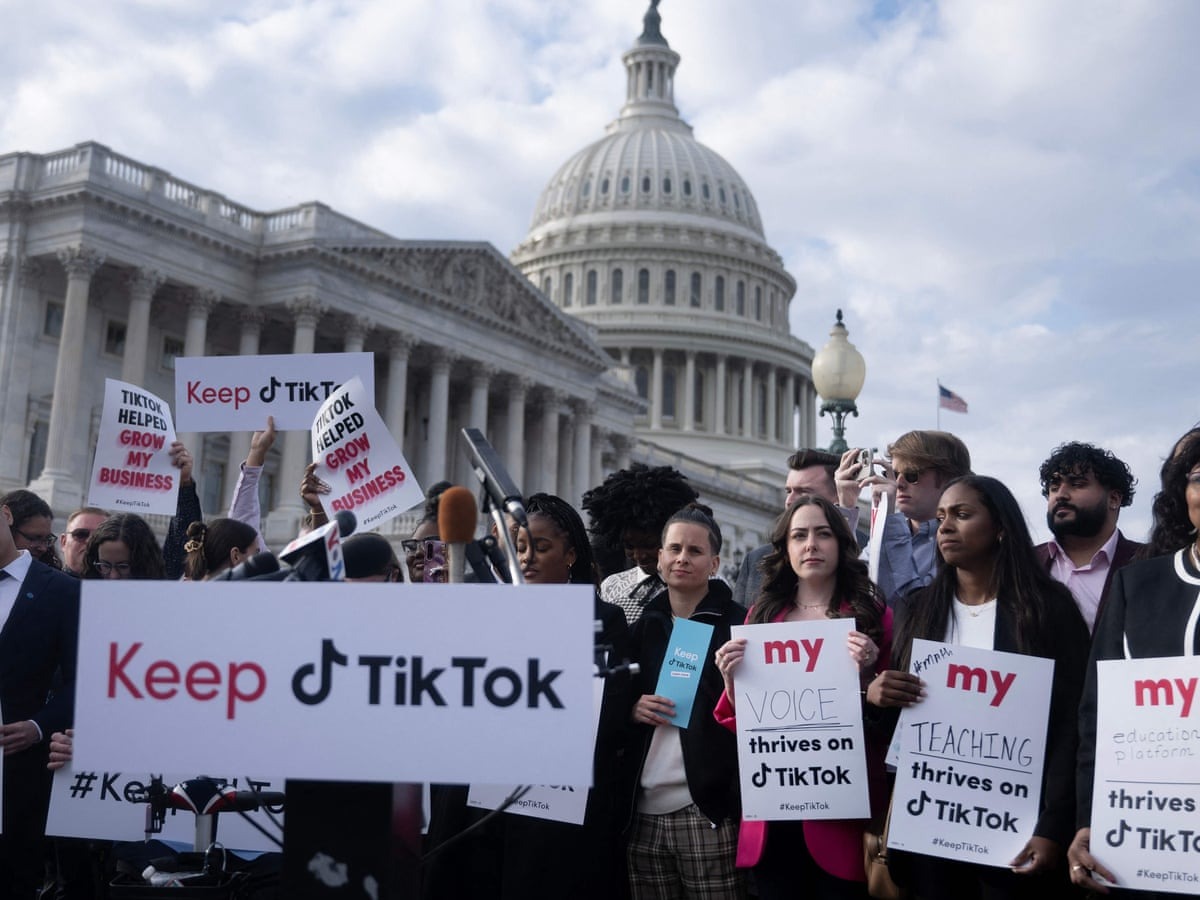
Brendan Smialowski, Photo of people outside Capitol Hill protesting in support of TikTok, March 2023.
The concept of the boomerang effect, as described by Beck, may also indicate why the government is so adverse in supporting the Leibovitz collection, since it pertains to situations in which those who drive and benefit from modernisation subsequently face negative consequences as a result. In this scenario, if the Canadian government funds the exhibition of these photographs, it may initially generate profits, but could subsequently lead to identity issues for Nova Scotians who feel detached from local art and culture. It is worth noting that Anne-Célia Didier’s work on the impact of foreign media on culture highlights that in the current climate of more liberal trade agreements, Canada and France have expressed concerns about the negative effects of such agreements on diverse cultures. In contrast, the United States has lobbied for two decades to enable the export of its visual media to other countries without trade restrictions. Despite this, at the 2005 UNESCO conference, the United Nations did not oppose the American position but rather implemented Article 8 of the Universal Declaration on Cultural Diversity, which supports the Franco-Canadian perspective on government-imposed restrictions on liberal trade in cultural matters. The present instance highlights the starkly differing impulses and the indisputable requirement for restrictions on foreign visual media, such as photography and art. Despite its stance on exporting visual media, in the past three years, the United States government has unequivocally demonstrated its belief in limiting importing foreign visual media targeted at the public, as evidenced by the trials against TikTok. This makes it evident that America only advocates for free trade of visual media under the condition that they profit from foreign countries, rather than their own country experiencing the repercussions of globalised culture. This situation also exemplifies the boomerang effect, since the United States once endorsed free visual media trade but have now taken a contrary stance on the matter.
In her seminal work Destination Culture (1998), Barbara Kirshenblatt-Gimblett discusses the disparities between museums and tourism, and how the latter often proves more effective in capturing the attention of individuals than the former. Despite this, a museum or art gallery can still be considered a tourist site, and just as many popular tourist destinations leverage their unique characteristics to attract visitors, the Art Gallery of Nova Scotia could similarly exploit the controversy surrounding the display of the Leibovitz collection to attract tourists. The concepts of studium and punctum highlight the boomerang effect’s potential to equate Canadian and American cultures in the minds of these visitors, as the gallery, which typically focusses on local artists, exhibits a significant collection of American photographs that some viewers may find challenging to differentiate between the two cultures. Initially, the gallery accepted the donation to increase its popularity, but the boomerang effect suggests that this decision may inadvertently endanger the local environment. Although Kirshenblatt-Gimblett acknowledges that museums and galleries are typically key tourist attractions due to their representation of regional culture, the fact that the Art Gallery of Nova Scotia’s primary exhibit would feature an American artist raises questions about the cultural identity of Nova Scotia.
The Known Risks
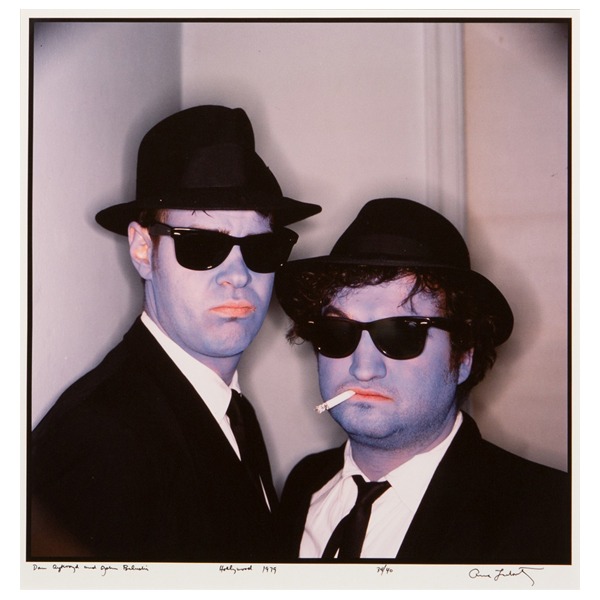
Annie Leibovitz, Dan Aykroyd and John Belushi (cibachrome photo), 1979 (currently held at the Art Gallery of Nova Scotia)
The financial repercussions of acquiring the Cibachrome photographs in Leibovitz’s collection can be perceived as an additional, financial unknown, since here expenses may arise for the gallery beyond the initial copyright fee. If the primary objective of supporting art is to achieve a return on investment, then the Cibachrome paper on which over 250 of the photographs are printed would be considered a significant risk for the Art Gallery of Nova Scotia and the government. Cibachrome photo paper is typically utilised for producing original print copies, indicating that the Cibachrome photos in the Leibovitz collection could be for images that are not available online or at other galleries. This is one of the advantages of the Cibachrome prints in this collection, as they are unique to the Art Gallery of Nova Scotia at present. However, typically an art gallery would not exhibit the original print directly on the gallery wall and would create copies to be changed out if the images began to fade. But the Art Gallery of Nova Scotia does not receive a considerable amount of money from private donations or gallery admissions, so it would be extremely costly to reprint these images. The alternative is to allow them to fade and deteriorate, which no gallery wants to do. Fortunately, Cibachrome prints perform exceptionally well in dark storage conditions, so these photo prints are secure as long as they are not on permanent display.
Despite the uncertainties surrounding unknown risks, what is more apparent in risk assessments is the risk of normalisation in society. In this context, if the government decided to support the display of the Leibovitz collection, other aspects could become normalised as well. As a case filled with so many small increments of corruption, as Beck describes it, supporting it becomes a risk of it potentially becoming normal life. Beck argues that in this reality, known as catastrophic society, “the exceptional condition threatens to become the norm.” Beyond the realm of photography, a punctum can also be identified in the Leibovitz collection for the element that sticks out for the government but not for every person who sees this case. The risk-punctum, as it can be understood, speaks to the underlying issues of capitalist greed in the case. Beneath the veneer of photographs, this case becomes a scheme that primarily benefits the upper-class members involved, without appearing to provide significant benefits to the government encouraging them to pay. By normalising issues of tax fraud and copyright infringement, the government has every right to view it as a risk. The potential that these photographs might create a negative normality for the art gallery, Nova Scotia, and even Canada, causes the government to refrain from supporting their display in the Art Gallery of Nova Scotia. These normalisations are related to Mintz’s tax scheme and privately funded museums, as well as partial ownership of donated artworks.
The Leibovitz case presents numerous risks, but perhaps the most daunting for the government are the unknown risks that this collection poses. We cannot know what we do not know and this in itself is a risk. Barthes discusses how the punctum is an element in a photograph that is a unique point that affects each person differently. If each punctum is distinct, then this indicates that we cannot predict how individuals will react to various photographs. Used in tandem with Beck’s knowledge about risk, it becomes evident how perilous the unknown can be for a governmental group. Beck argues that knowledge about risk is necessary to analyse potential issues in the Risk Society because humans tend to lack genuine perceptions of risks. Beck writes that “the positive logic of acquisition contrasts with a negative logic of disposition, avoidance, denial, and reinterpretation.” In a similar vein, where corporations tend to evade understanding the negative outcomes in situations, governmental groups can focus too much on perceived issues of risk instead of examining the positive outcomes because they could cost them financially, politically, or socially. The Leibovitz case perfectly highlights this, as the government remains fixated on the negative outcomes rather than the positive ones. By exploring the photograph collection in this way, it becomes clear why the government does not wish to involve themselves financially in this situation any more than they already have. Displaying these photographs becomes a risk to the government because they shun understanding its positive outcomes, focussing too much on the risks of the unknown. These negatively focused perceptions of the unknown can be classified into three groups related to political, social, and financial unknowns within the world of the Nova Scotia government.
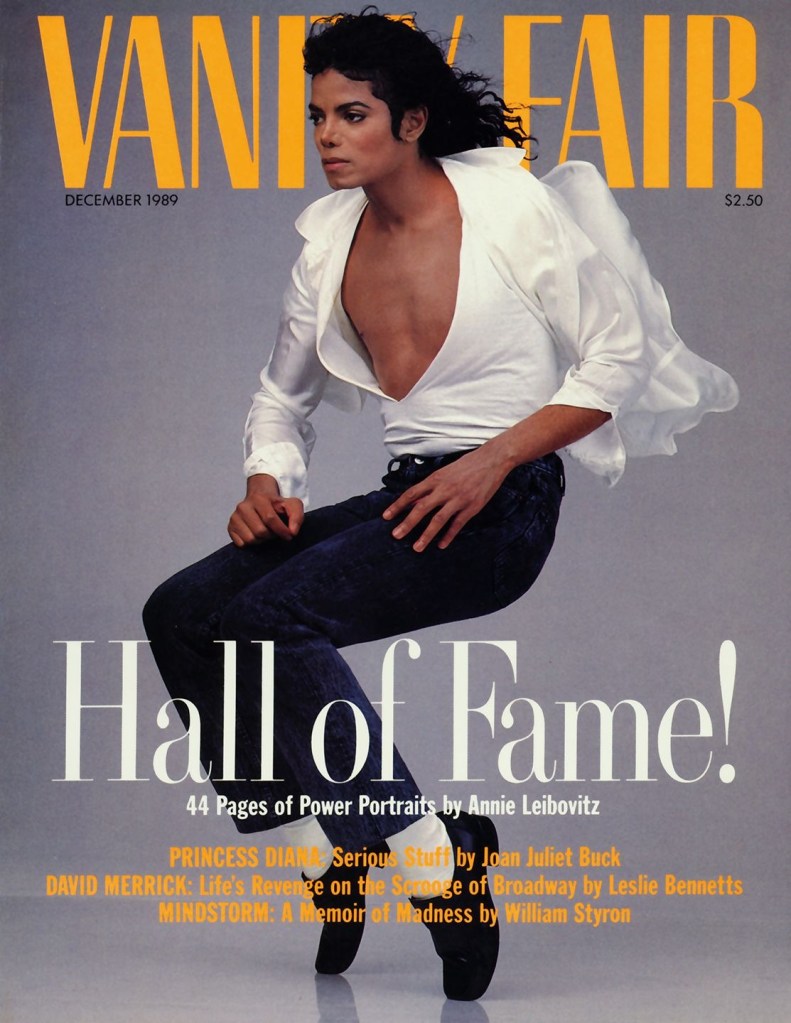
Annie Leibovitz, Michael Jackson on the cover of Vanity Fair Magazine, 1989.
The Unknown Risks
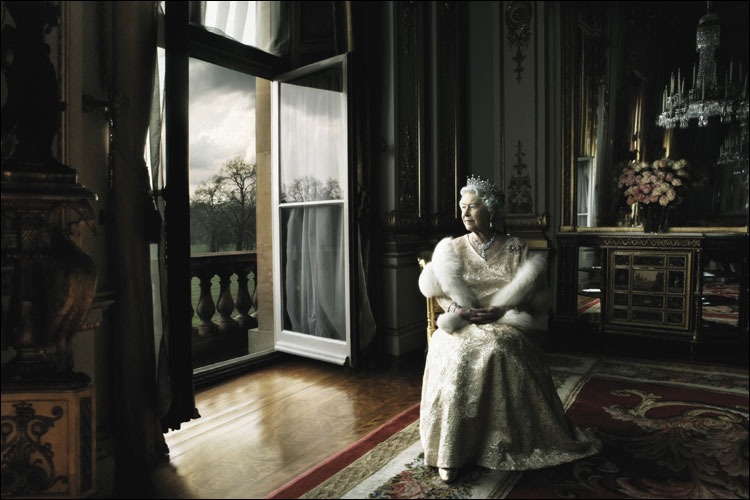
Annie Leibovitz, Queen Elizabeth II, 2007 (currently held at the Art Gallery of Nova Scotia)
The potential negative impacts on Canadian and Nova Scotian culture from displaying a large collection of American figures and American-centric sites are certainly unknown. In a world that is already dominated by American culture, this becomes a concern that could lead the government to refuse funding for its social affect. Luc Boltanski and Arnaud Esquerre argue in their chapter on enrichment that wealth increases through the diversification and de-standardisation of cultural activities, such as art. The Art Gallery of Nova Scotia incorporates diverse art, but only at the national and provincial levels. Incorporating Leibovitz’s collection into the permanent exhibits could potentially skew this diverse array of art, and Leibovitz’s photographs could become a visually striking element (the studium or punctum) for the appearance of the art gallery. It is important for the art gallery to recognise and showcase the diverse range of cultures and art in Nova Scotia, just like Canada, which is why the gallery has emphasised local art in the last decade. If the gallery truly wishes to honour this, it should not demand the government to pay for the copyright so much. Alternatively, the government’s refusal to pay in 2013, may have encouraged the art gallery to turn its focus on local artworks. Boltanski and Esquerre also suggest that changes in sources of wealth profit can seriously disorient the cognitive maps of people involved, allowing them to miss the risks that are clear to others. Perhaps the Art Gallery of Nova Scotia is blinded by the concept of Leibovitz’s collection bringing in a new stream of wealth and is unable to see the potential negative impact it could have on the social environment of Nova Scotia. The impact of this collection of photographs on social issues is undeniable, and many of these issues are deeply rooted in Canadian society. As Canada strives to differentiate itself from the United States, it faces the challenge of maintaining a unique cultural identity in the face of its powerful neighbour. While many countries criticise American-centrism, living so close to the United States and sharing a common language can lead to confusion and a loss of distinct identity as well. In today’s visual media-driven world, distinguishing Canadian culture from American culture has become increasingly difficult, creating unknown risks for the government in supporting this initiative. Unknown social risks can pose significant challenges to the social environment, and it is the government’s responsibility to weigh the risks against the potential rewards.
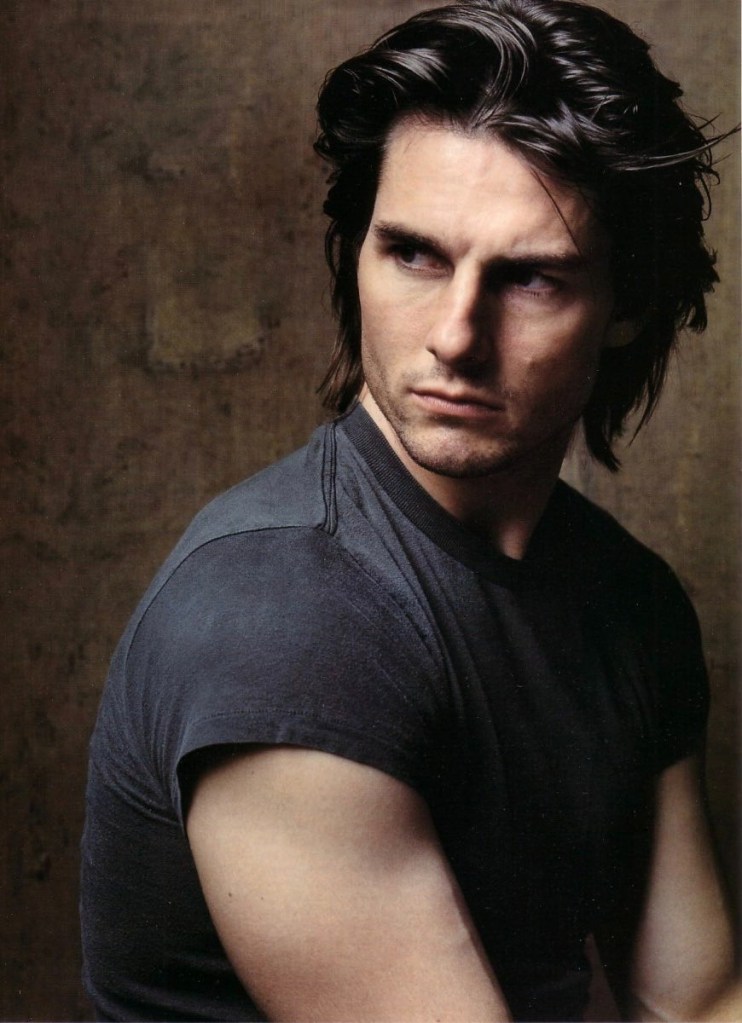
Annie Leibovitz, Tom Cruise, 2000 (currently held at the Art Gallery of Nova Scotia)
Any action taken by politicians and governments is politically charged, and in the case of Leibovitz’s photographs this is no different. If the government were to pay for the collection’s copyright, this could inadvertently have political consequences for the party, the individual politician, or the governmental subgroup. For this reason, many politicians and governments are hesitant to take on political risks when they are within public perception. Given that the funding of Leibovitz’s collection has become highly public, the risks associated with it are already high. In the United Kingdom, where Canada’s legal and governmental framework originates, the separation of politics and public art is maintained to protect politicians and prevent art from becoming politically controlled. This approach is grounded in the idea that art inherently carries risks, such as the risk of manipulation and the risk of corrupting associated individuals. The Canadian government’s refusal to pay for the copyright of Leibovitz’s collection may be an attempt to distance themselves from a potentially controversial event in the realm of public art acquisitions. This decision could also be a strategic move to protect their public image from any negative repercussions. All photographs possess a studium, and social images also have this ability to captivate viewers by highlighting specific aspects of a person or group. The Liberal Party’s tenure in power from 2013 to 2021 may have influenced their stance on this matter, but discussions regarding the collection have not significantly changed since the Progressive Conservative party gained majority power in 2021. Given that Canada is a commonwealth country, it is not surprising that the political and governmental thought processes in Canada share similarities with those of Great Britain, meaning that the political risks associated with the Leibovitz case may continue to be based on public image. Political risks extend to visual media’s impact on public opinion as well, as evidenced by the ongoing case against TikTok in the United States. American politicians have hinted, albeit not always explicitly, that banning the visual media app would prevent foreign, particularly East Asian, political ideologies from taking hold in the country. Although misinformation or misinterpretation could be a factor in the government’s perception of visual media as a risk, the Nova Scotia government might view American media as risky due to the same misunderstandings in the United States. Canadian content laws do not mandate a specific percentage of Canadian or culturally relevant artworks in museums, Canadian museums have the responsibility to showcase art with a particular emphasis on the country. In this case, the government may view over 2000 photographs by an American artist as too unCanadian and supporting it could potentially lead to normalisation or negative outcomes. Regardless of the likelihood of these risks, the numerous unknown political risks contribute to the government’s refusal to pay and its assessment that the entire situation is too risky.
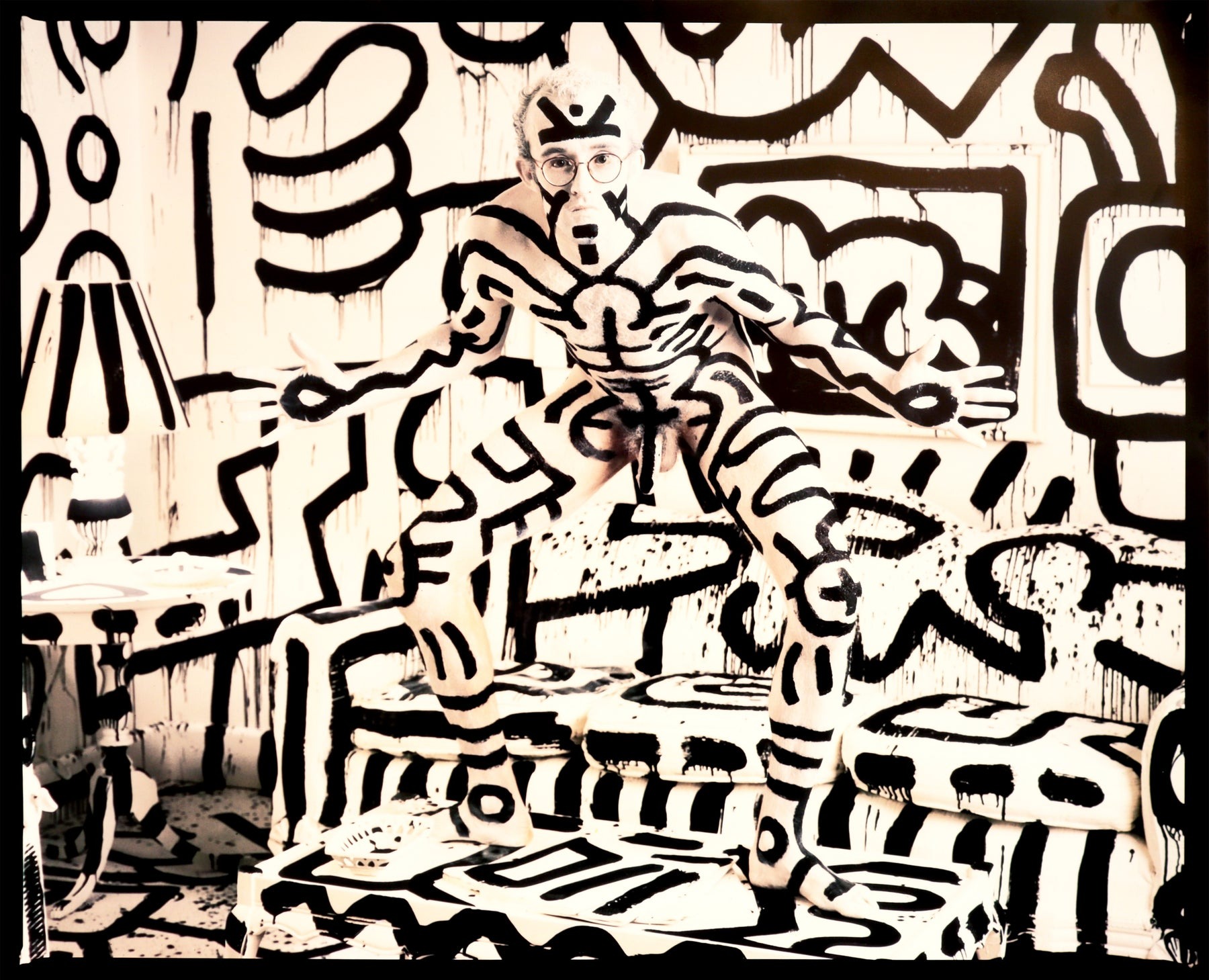
Annie Leibovitz, Keith Haring, 1992 (currently held at the Art Gallery of Nova Scotia)
The second potential risk-punctum associated with the Leibovitz case is that the gallery is required to pay the full copyright fee before they are allowed to display the photographs. In Canada museums and art galleries are expected to comply with copyright laws, but are still permitted to engage in most museum activities with any artworks that they own physical copies of, since these are publicly funded spaces. The copyright agreement in the Leibovitz case, however, goes beyond what is typical in Canadian contracts. The government’s refusal to pay in this case can be understood as a decision not to normalise this particular copyright agreement, as it is not in line with Canadian law and may not be beneficial for future Canadian policies. Due to this copyright issue, the art gallery is unable to display images of the photographs on their website catalogue, which is an unusual situation for Canadian museum copyright agreements. Indeed, this particular copyright policy appears to deviate from standard Canadian law, as the Art Gallery of Nova Scotia is required to merely store the photographs until someone pays for the image rights. As time passes, increased interest in the photographs, which have been in storage for more than a decade, inevitably leads to an increase in their monetary value as well.

Screenshot of the At Gallery of Nova Scotia Website Catalog, accessed March 2024.
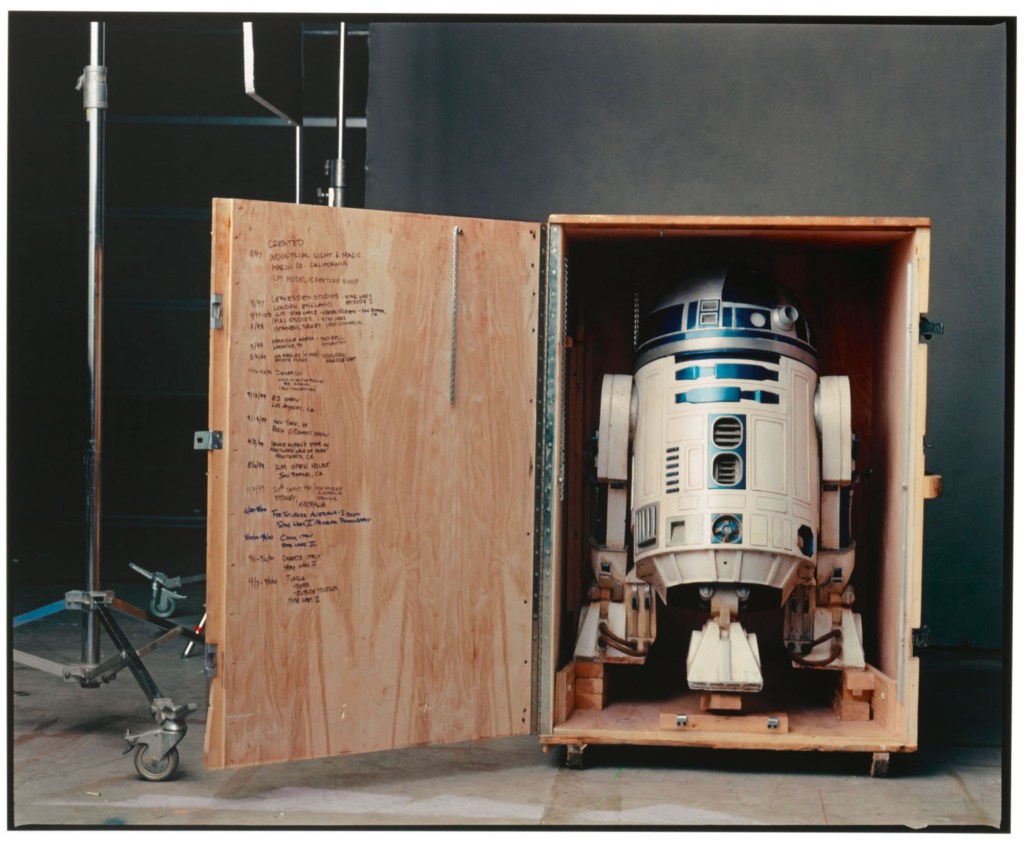
Annie Leibovitz, R2-D2, 2000 (currently held at the Art Gallery of Nova Scotia)
One of the most notable risk-punctums in this instance is the potential normalisation of Harley Mintz’s tax fraud scheme, which could lead wealthy taxpayers to believe that it is simple to commit tax fraud. By paying Leibovitz, the government may be neglecting crucial aspects of the Mintz case or normalising them in public perception. After the Mintz family paid the initial agreed price of $2.4 million, the contract stipulated that they would pay the remaining amount after the Canadian Cultural Property Export Review Board (CCPERB) certified the collection as an official tax return benefit. However, the family submitted an evaluation of the collection to the CCPERB valuing it at $20 million, almost four times the amount they initially paid for it. If the collection were deemed culturally significant enough to qualify as a tax incentive, the Mintz family would ultimately earn money from the donation in higher tax returns. In an interview with CBC Canada, Mintz claimed that the Art Gallery of Nova Scotia approached him in 2012 to find and purchase a valuable collection to donate to the museum, which would benefit both parties. However, before 2019, art donations to museums, galleries, charities and public spaces were eligible for tax incentives only if the artworks were considered of national importance to Canada. Although the outcome of the tax fraud case remains uncertain, it is the government’s responsibility to adhere to its own laws. Even though the laws have changed since Mintz made the donation in 2013, the tax deductions he is claiming would apply to the same tax period no matter what, therefore the principle remains the same. The process of gift giving can also pose a risk that the government may not wish to endorse, as gifts can lead to an obligation to reciprocate. It is possible that the government feels obliged to support the Mintz family in the future if the donated collection generates revenue. This could create a more capitalistic approach to the control and authority over the gallery, which could be normalised for other galleries in Nova Scotia or even Canada. By paying the copyright, the government would agree to the Mintz family’s tax credit and their revaluation of $20 million. However, the government’s decision not to pay the copyright demonstrates that they recognise the potential risks associated with normalising such a tax scheme.
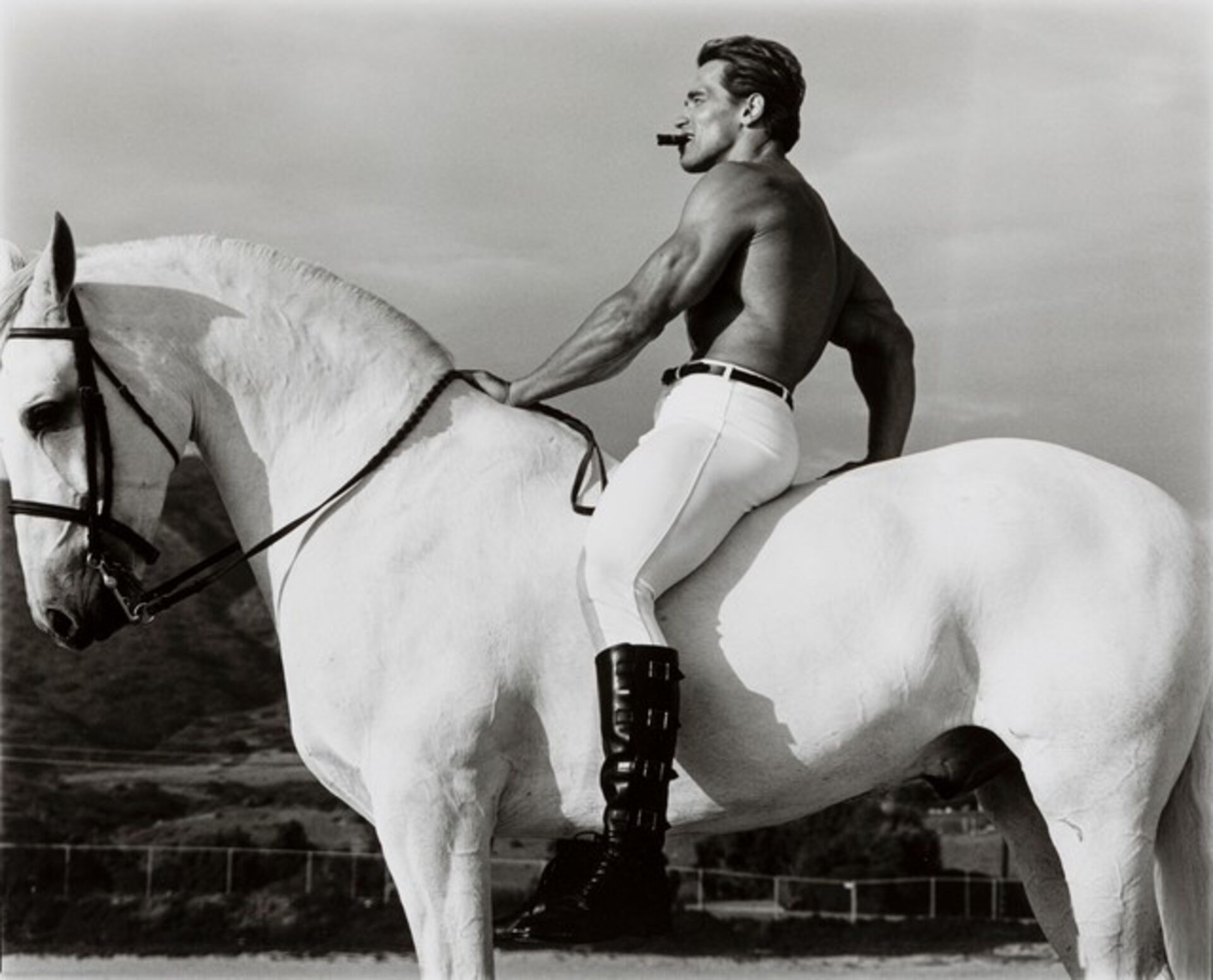
Annie Leibovitz, Arnold Schwarzenegger, 1988 (currently held at the Art Gallery of Nova Scotia)
The Art Gallery of Nova Scotia’s collections and exhibits are governed by curators, the Board of Directors, and a group of governors, who all play a role in determining what is displayed at the museum for visitors. However, the Leibovitz case demonstrates that external factors can also significantly impact the display of art. In particular, since a donated collection is acquired differently from other works of art, the Leibovitz photographs are now surrounded by a multitude of issues, questions, and risk factors. The concepts of the studium and punctum, coined by Barthes in 1980, offer valuable insights into photographs and risk assessment. However, Stanley Wolukau-Wanambwa critiques this approach, arguing that it is not sufficient to fully comprehend the level of information that photographs can communicate. Photographs may contain cultural symbolism and other socially provocative elements that may not be immediately apparent to all individuals, suggesting that the government is likely to miss information that other groups see. In truth, life is fraught with both known and unknown risks, but the genuine risk lies in avoiding action when there is no guarantee of any outcome. The concept of Risk Society falls short in this regard, as everything is perceived as carrying potential risks, which in turn paralyses individuals into inaction unless it is entirely risk-free.
Conclusion
Although the application of the risk-punctum allows the government to divert its attention away from potentially more serious risks that an unbiased observer might perceive, Risk Society also emphasises the risks associated with making decisions, especially at the government level. A multitude of risks obstruct the path of the Leibovitz collection, which is highlighted through the concepts of social risk positions, the absence of knowledge of risk, and catastrophic society. Furthermore, when considering how much the government may want to maintain the current system, it becomes understandable why they continue to view the American photographs as a threat to Nova Scotian culture, politics, economy, and society. The concept of Risk Society, which is related to environments and spaces, helps to better comprehend the risks that visual media pose for the government, as both art and the environment have a strong social connection within culture. Although the gallery, journalists, Mintz, and the artist herself oppose what they perceive to be a financial stint from the government, Leibovitz’s photographs at the Art Gallery of Nova Scotia epitomise the issues of Risk Society as discussed by Beck and other scholars. Regardless of the actual likelihood of these risks, it is the government’s responsibility to recognise the inherent risks in any situation and to consider the possibility that there may be more to this donation than what meets the public’s eye.
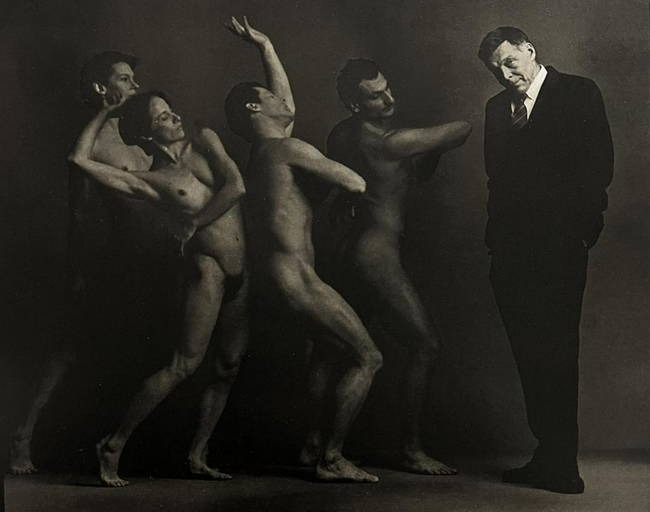
Annie Leibovitz, Annie Paul Taylor with Kathy McCann, Kate Johnson, Christopher Gillis and Elie Chaib, 1990 (currently held at the Art Gallery of Nova Scotia)
Flavie Deveaux
Bibliography: Adelstein, P. Z., J. -L. Bigourdan, and J. M. Reilly. “Moisture Relationships of Photographic Film.” In Journal of the American Institute for Conservation 36, no. 3 (1997): 193-206; Barthes, Roland. Camera Lucida: Reflections of Photography (1980). Translated by Richard Howard, Hill and Wang Publishing, 1981; Beck, Ulrich. “On the Logic of Wealth Distribution and Risk Distribution.” In Risk Society: Towards a New Modernity [1986]. Translated by Mark Ritter, Los Angeles: Sage (1992): 19-50; Bennett, J.B. Ætna Guide to Fire Insurance for the Representatives of the Ætna Insurance Co., Hartford, Conn. Cincinnati: R. Clarke & Co., printers (1867): 5-6, 10, 47-52, 102-104, 146-156; Bialynicka-Birula, Joanna. “Investment in Art – Specificity, Risks, and Rates of Return.” Czechia: 14th International Conference on Finance and Banking (ICFB), 16-17 October 2013; Boltanski, Luc, and Arnaud Esquerre. “The Enigmatic Reality of Prices.” In Sociologie 7, no. 1, 2016; “Canadian Cultural Property Export Review Board: Guide for Monetary Appraisals.” Government of Canada, December 2022; Carey, Florence. “The Nuts and Bolts of Gifts Involving Cultural Property.” Winnipeg: Aikins, MacAulay & Thorvaldson LLP, 2010; Cuthbertson, Richard, Susan Allen, and Jack Julian. “Cultural gem or ‘tax grab’? $20M in Annie Leibovitz photos caught in Canadian quandary.” Nova Scotia: CBC News, 12 July 2017; Disdier, Anne-Célia, Keith Head, ad Thierry Mayer. Exposure to foreign media and changes in cultural traits: Evidence from naming patterns in France 80, no. 2, Journal of International Economics Publishing (2010): 226-238; Douglas, Mary. “Risk and Justice.” In Risk and Blame: Essays in Cultural Theory [1992] from Mary Douglas Collected Works 12, Abingdon England: Routledge (2003): 22-37; Government of Canada. The Museum Act, Assented to 1990-01-30, 29 August 2014; Herman, Alexander. “Navigating Copyright.” Canadian Museums Association, accessed April 2024; Higgins, Charlotte. “An atmosphere of threat lingers over the arts – and it’s created by the government.” UK: The Guardian, 6 December 2021; Julian, Jack. “Hollywood stars, dancers and Trump — The Leibovitz collection Nova Scotia owns but can’t display.” Nova Scotia: CBC News, 21 August 2017; Kirshenblatt-Gimblett, Barbara. “Destination Museum.” In Destination Culture : Tourism, Museums, and Heritage. Berkeley [Calif.]: University of California Press (1998): 131-176; “Leadership.” Art Gallery of Nova Scotia website, accessed April 2024; Leibovitz, Annie, Rebecca Frayn, Middlemarch Films, London Weekend Television (Firm), and Image Entertainment (Firm). Annie Leibovitz. Image Entertainment, dirs. 2001; Mauss, Marcel. The Gift: The Form and Reason for Exchange in Archaic Societies. Translated by W.D. Halls, 1st ed, Routledge, 1990; Palmer, Alex. “When Art Fought the Law and the Art Won.” Cincinnati: The Smithsonian Magazine, 2 October 2015; Wilhelm, Henry. “Monitoring the Fading and Staining of Color Photographic Prints.” In Journal of the American Institute for Conservation 21, no. 1 (1981): 49-64; Willick, Frances. “Tiny new legislative tweak may have prevented Leibovitz debacle.” Nova Scotia: CBC News, 29 March 2019; Wolukau-Wanambwa, Stanley. “Sans Parole: Reflections on Camera Lucida, Part 1.” In E-Flux Journal, Issue 124, February 2022.
 Can I Tell You About That: A Blog About History & Art