

Painting, Sketches & Prints
Sculpture

Photography

Music

Architecture
Food
Textiles
Literature
Digital Art & Graphic Design

Fashion History
Machines & Design Objects

Other
Painting, Sketches & Prints
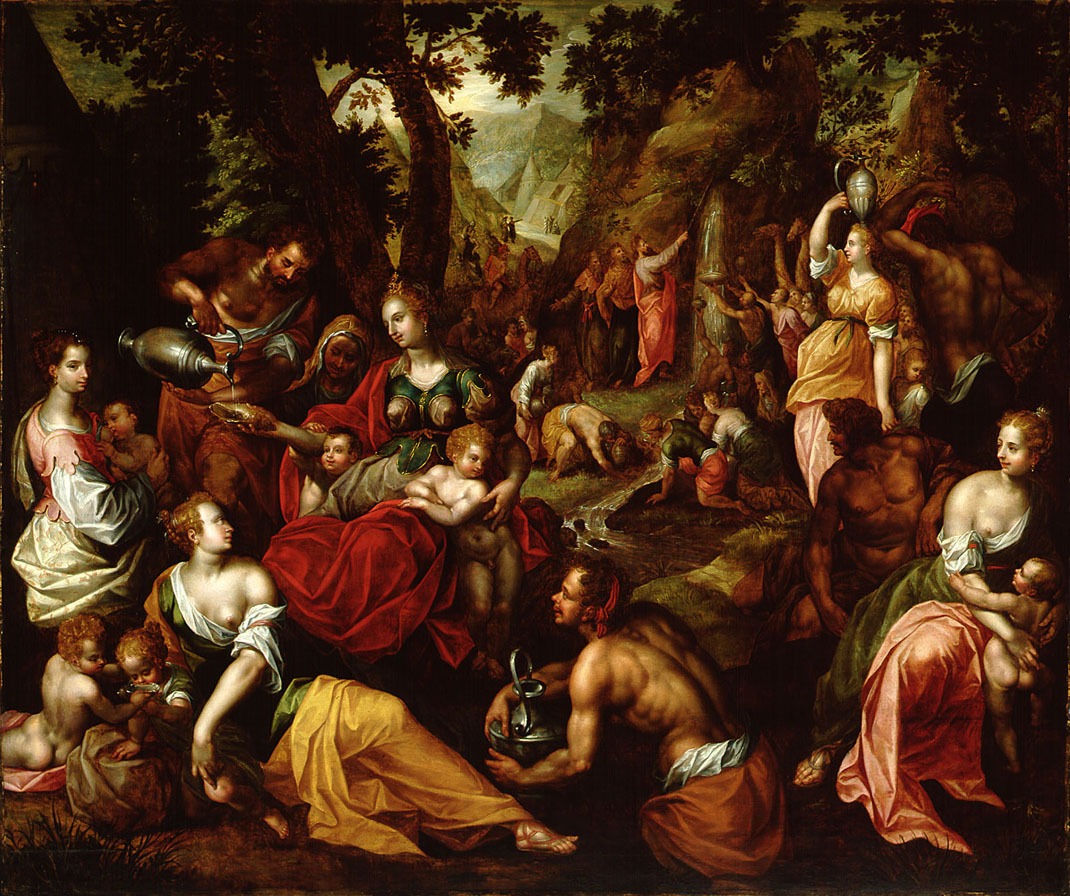
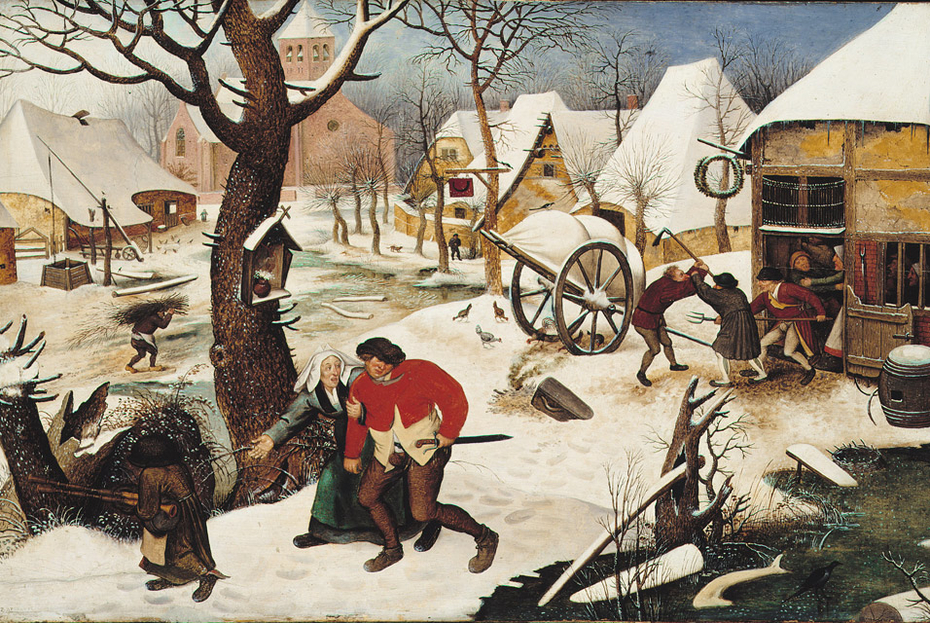
Religious Art Through the Eyes of a Protestant
In the 16th and 17th centuries art world of the Northern Renaissance, styles developed to distinguish themselves from Catholic art in the South. New Protestant values aimed to de-idolize figures in art, turning the focus towards God and God alone. Many Netherlandish artists still took…
Keep ReadingSculpture
Photography

Annie Leibovitz and the Collection Controversy
In 2013, Harley Mintz purchased over 2000 Annie Leibovitz photographs for $4.75 million, intending to donate them to the Art Gallery of Nova Scotia. However, disputes over copyright and display have left them in storage for over a decade, with the Nova Scotia government refusing…
Keep ReadingMusic
Architecture

The Structure of Cold Indigenous Architecture
In cold climates, architecture often protects against harsh weather, a concept influenced by European colonialism. In contrast, Aboriginal communities in Canada, emphasizing nature, have adopted biophilic design in modern structures. Their architecture reflects historical connections to the environment and integrates Traditional Knowledge, increasingly relevant amid…
Keep ReadingFood
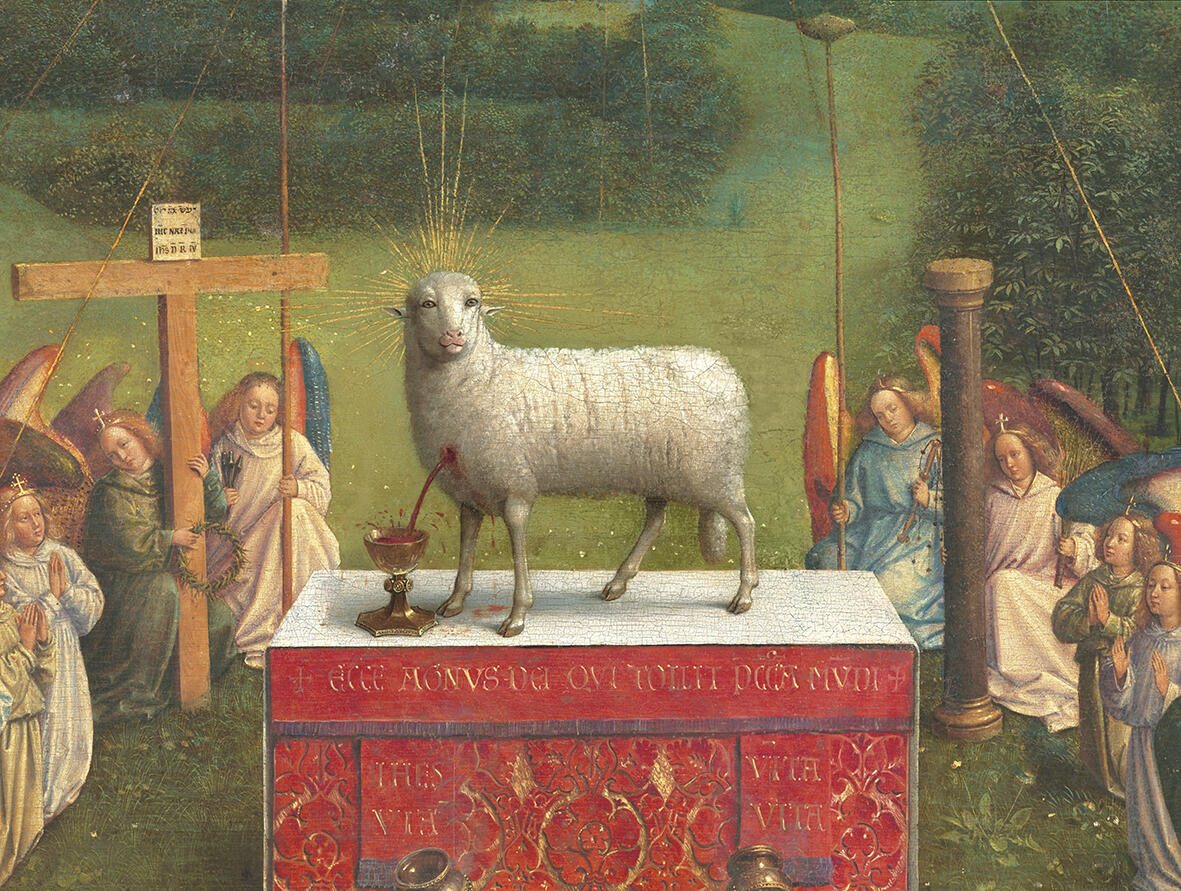
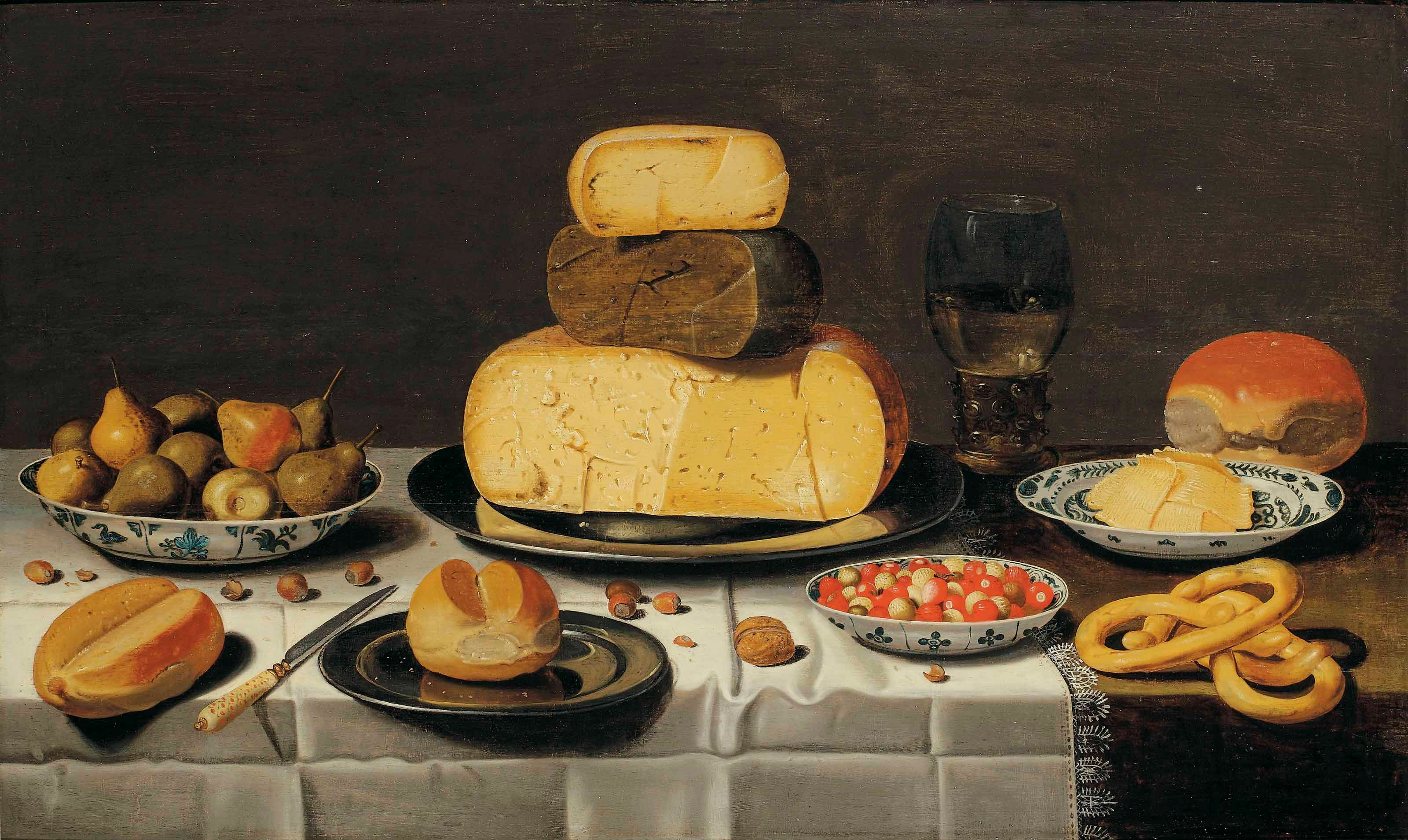
Lamb to the Table
During the Medieval and Early Modern periods, lamb became the central feature of Easter feasts in Europe, symbolizing Christ’s sacrifice and resurrection. Its consumption allowed Christians to engage in a sensory experience while commemorating the Last Supper. Eating lamb represented unity and gratitude for Christ’s…
Keep ReadingTextiles
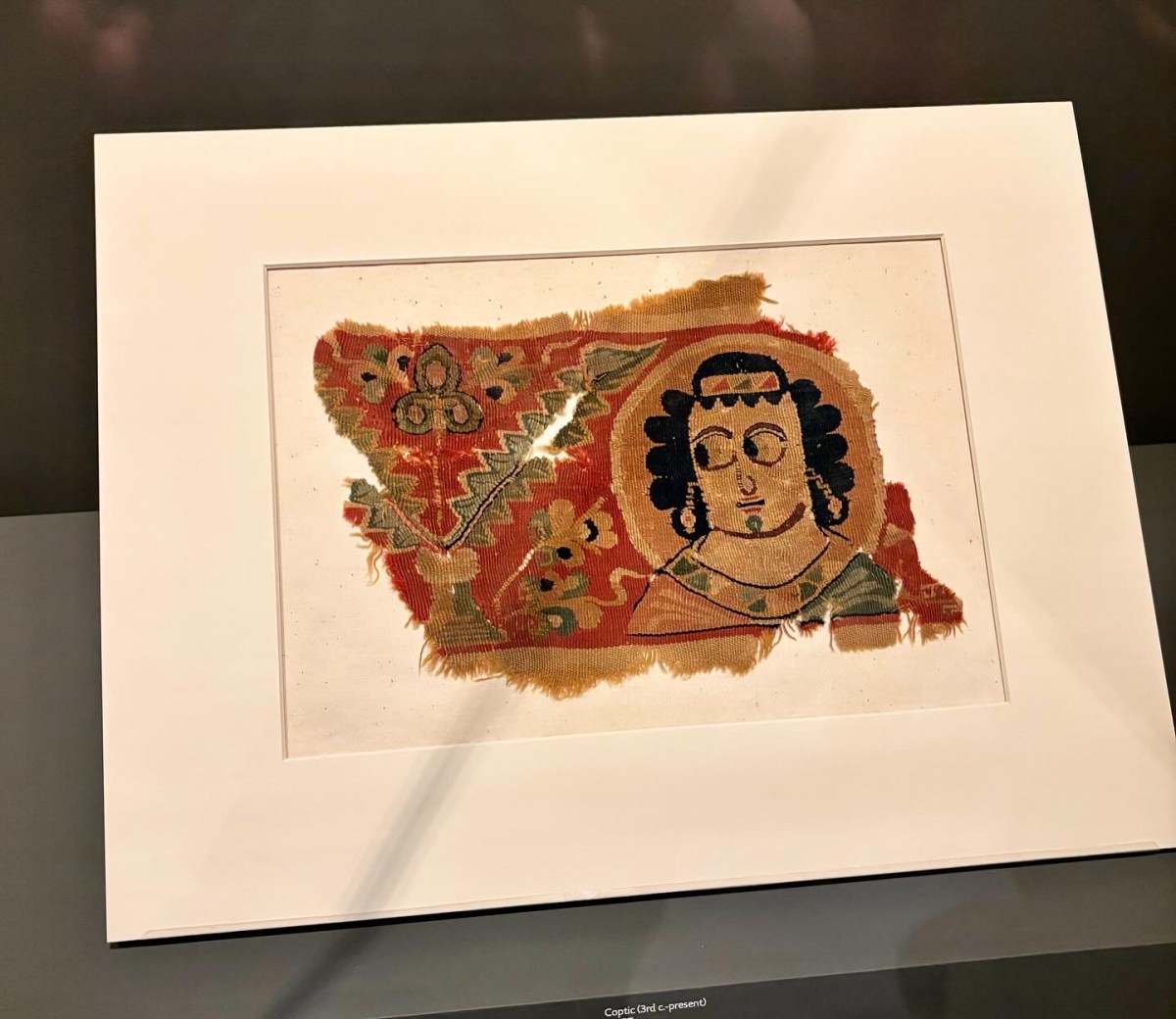
“Coptic” Tapestries in Late Antiquity Egypt
Between the 1st century and the Muslim conquest of 639 CE, Egyptian elites valued decorative textiles blending Ancient Greek and Roman figures with Middle Eastern and Asian artistic elements. Surviving fragments, like The Side-Eye Girl, exemplify this artistry, reflecting familial values in elite domestic settings…
Keep Reading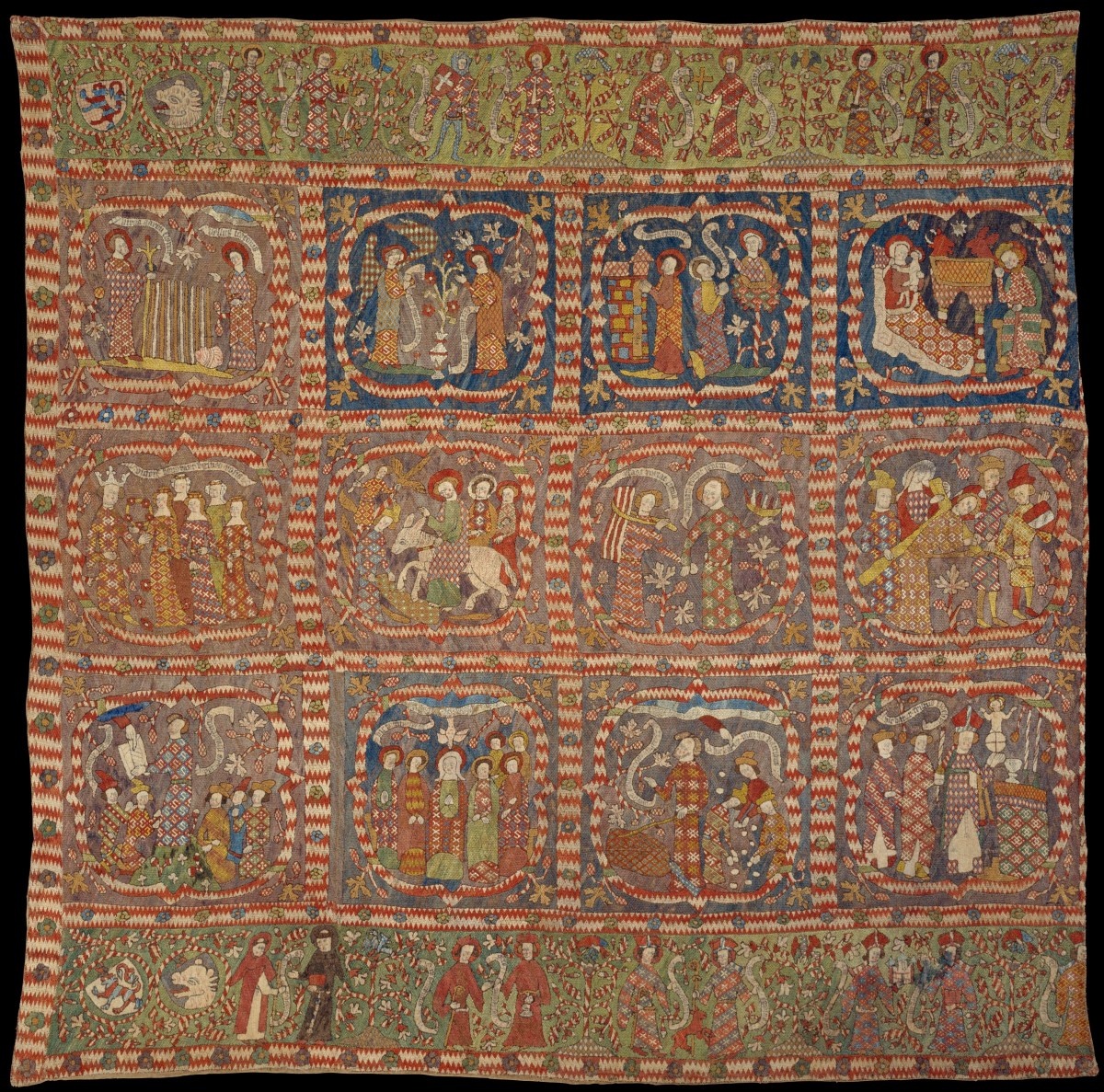
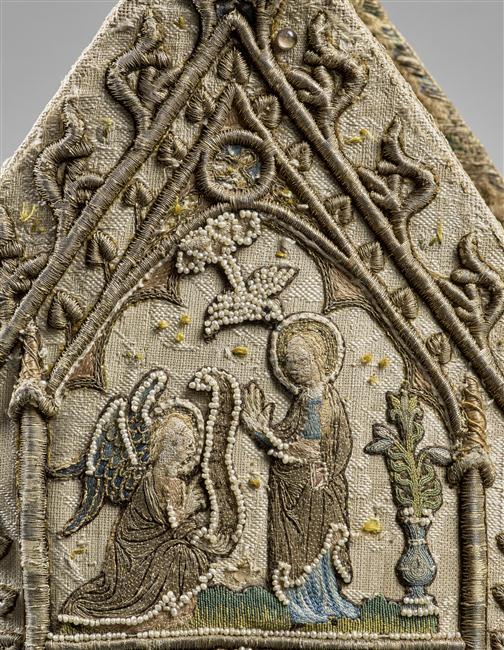
Medieval Embroidery, Women, and God
Medieval embroidery, primarily associated with women, emerged as a significant craft with roots across various cultures. It flourished from the 6th to the 16th centuries, especially in Europe, and served both devotional and decorative purposes. The technique evolved over time, with contributions from convents and…
Keep Reading Can I Tell You About That: A Blog About History & Art